
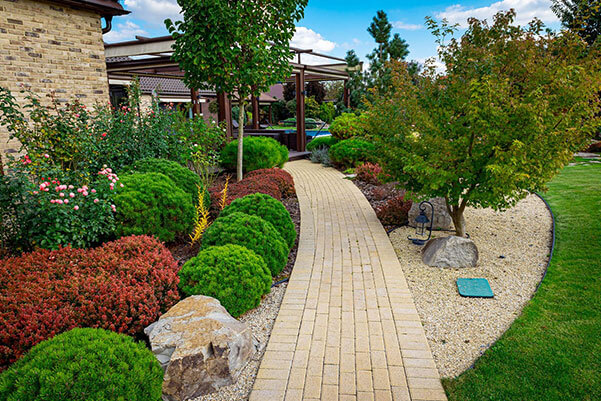
Transforming a yard into a magnificent outdoor space requires more than just a green thumb. It demands a strategic blend of art and science, known as landscaping architecture. This discipline encompasses various techniques and principles that ensure aesthetic appeal and functional harmony within any given space. Whether one is working with a sprawling garden or a cozy backyard, employing expert landscaping architecture techniques can significantly enhance the property’s overall beauty and value.
Understanding Landscaping Architecture
Landscaping architecture is not merely about planting trees or flowers; it’s about designing outdoor spaces that harmonize with the natural environment while meeting the practical needs of those using the space. It involves:
- Analyzing the site’s conditions, including soil quality, climate, and topography.
- Choosing the right plants and materials that complement the surrounding architecture and environment.
- Incorporating sustainable practices that support local ecosystems.
- Employing innovative design techniques to create visually pleasing and functional spaces.
Techniques to Transform Your Yard
1. Site Analysis
Effective landscaping begins with a comprehensive site analysis. This involves assessing the existing conditions and potential challenges of the space. Factors such as the property’s orientation, soil type, and drainage patterns are crucial. Understanding these elements aids in making informed decisions about plant selection and layout.
2. Plant Selection and Placement
Choosing the right plants is pivotal in landscaping architecture. Plants should be selected based on their adaptability to the local climate, soil conditions, and the intended aesthetic effect. Consider:
- Native Plants: These require less maintenance and water, making them a sustainable choice.
- Seasonal Variety: Incorporate a mix of plants that provide year-round interest.
- Layering: Arrange plants in layers to create depth and visual interest.
Strategic placement of plants can also define spaces and create a sense of order. More information about landscaping architecture can provide insights into plant arrangement techniques.
3. Hardscaping Elements
Incorporating hardscaping elements such as patios, walkways, and retaining walls adds structure and functionality to a landscape design. These elements should be thoughtfully integrated to complement the natural surroundings and enhance usability. Key considerations include:
- Material Choice: Use materials that reflect the architectural style of the home and the natural environment.
- Design Consistency: Ensure that hardscape elements align with the overall design theme.
- Accessibility: Consider pathways and access points to ensure they are user-friendly.
Sustainable Landscaping Practices
Sustainability is a core principle in modern landscaping architecture. Implementing eco-friendly practices not only benefits the environment but also reduces maintenance requirements. Some sustainable techniques include:
- Water Conservation: Install efficient irrigation systems and use drought-tolerant plants.
- Soil Health: Regularly test and amend soil to promote healthy plant growth.
- Wildlife Habitat: Design landscapes that provide habitat and food sources for local wildlife.
Conclusion
Transforming a yard into an enchanting outdoor oasis is achievable through the application of expert landscaping architecture techniques. By understanding the fundamental principles and incorporating innovative solutions, any outdoor space can be enhanced both aesthetically and functionally. Exploring the realm of landscaping architecture opens up possibilities for sustainable and beautiful outdoor environments that can be enjoyed for years to come.