
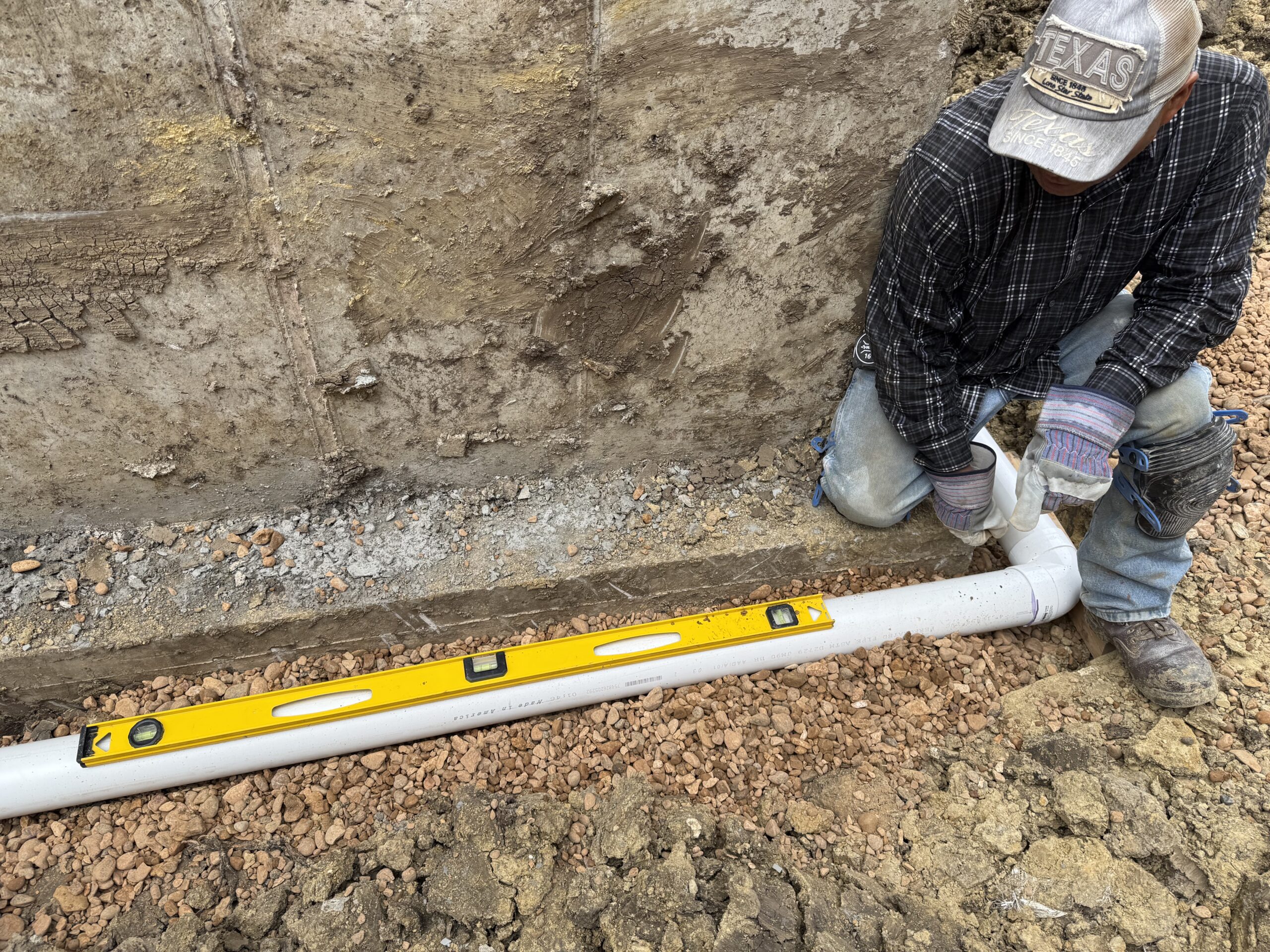
Basement flooding is a persistent problem for many homeowners, especially in regions that experience heavy rainfall or high water tables. Water intrusion not only damages flooring, walls, and stored belongings but also creates an environment conducive to mold and structural decay. While temporary fixes such as sump pumps provide short-term relief, a permanent solution lies beneath the surface. Installing a French drain, a strategically placed perforated pipe that redirects groundwater away from the foundation, offers reliable protection and peace of mind. Understanding how this system works, its advantages, and the proper installation process can empower property owners to make informed decisions and safeguard their investments.
Why Basement Flooding Happens
Several factors contribute to water seepage in basements:
- Hydrostatic pressure: When soil becomes saturated, pressure pushes water through cracks and joints in the foundation.
- Poor grading: Landscape that slopes toward the house directs surface runoff directly to the foundation walls.
- Inadequate drainage: Absence of a proper exterior drainage network forces water to find alternative paths, often into the basement.
- High water tables: In low-lying areas, groundwater naturally rises close to the footing level, increasing the risk of infiltration.
Understanding the French Drain System
A French drain consists of a perforated pipe laid in a gravel-filled trench, covered with a geotextile fabric to prevent soil clogging. The pipe collects groundwater and channels it to a safe discharge point, such as a storm sewer or a lower-lying area of the property. For a deeper dive into the mechanics and design considerations, Discover expert strategies here.
Benefits of Installing a French Drain
Choosing a French drain over other mitigation methods yields several tangible advantages:
- Long-term protection: Once installed, the system continuously redirects water, reducing the likelihood of future flooding.
- Cost-effective maintenance: Compared with repeated sump-pump repairs or interior waterproofing, a properly designed French drain requires minimal upkeep.
- Improved indoor air quality: By preventing moisture intrusion, the risk of mold growth and associated health concerns diminishes.
- Increased property value: A dry, well-protected basement is an attractive feature for prospective buyers.
- Environmental friendliness: The system utilizes natural gravity flow, eliminating the need for electricity-dependent pumps.
For a detailed overview of how these advantages translate into real-world results, Learn about our tailored solutions.
Key Steps in a French Drain Installation
1. Site Assessment and Planning
A thorough evaluation of the property’s slope, soil composition, and existing drainage patterns is essential. Professionals often conduct a percolation test to determine the optimal depth and length of the trench.
2. Excavation and Grading
The trench is dug to a depth that allows the pipe to sit below the foundation footing, typically 18-24 inches deep. The bottom of the trench is sloped slightly (about 1% grade) to encourage water flow toward the discharge point.
3. Laying the Pipe and Gravel
After placing a layer of clean gravel, a perforated PVC or corrugated pipe is positioned. The pipe should face downward so that water enters through the holes and travels along the pipe’s length.
4. Covering and Protection
More gravel is added to cover the pipe, followed by a geotextile fabric that prevents soil from infiltrating the drainage channel. The trench is then backfilled with the excavated soil, and the surface is re-graded to slope away from the foundation.
For a step-by-step guide that includes tips on material selection and local code compliance, Explore advanced guides and tips.
Maintenance Practices to Extend System Life
Although a French drain is largely self-sustaining, periodic checks ensure optimal performance:
- Inspect exterior grading after major storms to confirm water still flows away from the house.
- Clear debris from surface drains and downspouts that feed into the system.
- Schedule a professional inspection every 2-3 years to verify that the pipe remains unobstructed.
- Consider installing a clean-out access point near the discharge area for easier flushing if sediment builds up.
Selecting a Qualified Installation Specialist
Because proper design and execution are critical, partnering with a contractor experienced in subsurface drainage is advisable. Look for professionals who:
- Hold relevant certifications or memberships in industry associations.
- Provide detailed project proposals that include site analysis, material specifications, and a clear timeline.
- Offer post-installation warranties that cover pipe integrity and workmanship.
To compare service offerings and read client testimonials, Find out more about this approach.
Final Thoughts
Basement flooding can be a costly and stressful issue, but a well-designed French drain delivers a durable, low-maintenance solution. By redirecting groundwater before it reaches the foundation, this system protects structural integrity, preserves indoor air quality, and adds long-term value to the property. Homeowners seeking a proactive defense against water intrusion should consider the French drain as a cornerstone of their overall waterproofing strategy.