
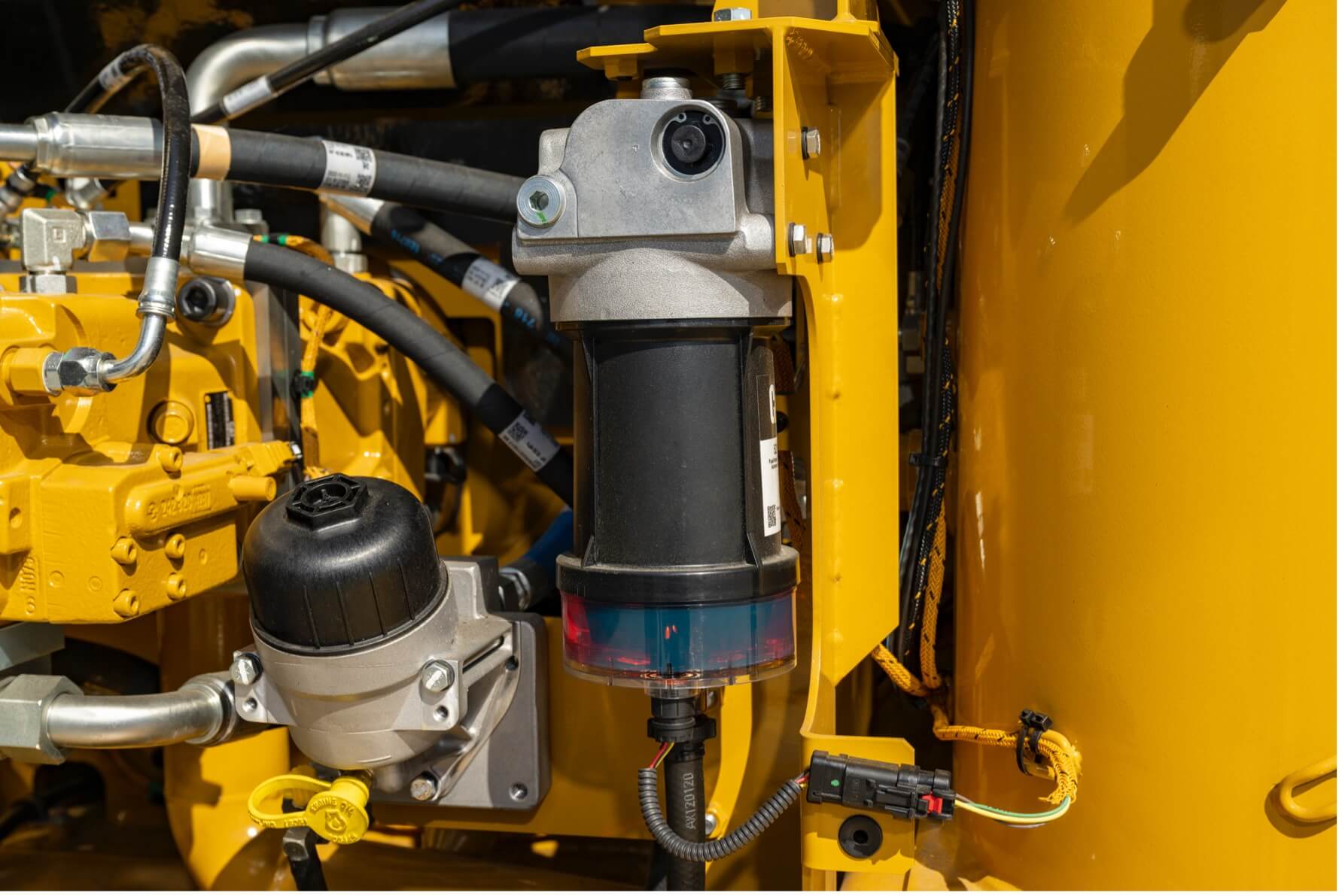
In today’s industrial landscape, hydraulic systems play a pivotal role across various applications. A key component of these systems is the hydraulic lift cylinder. Understanding its function and the role it plays in hydraulic systems is essential for those involved in engineering, manufacturing, and maintenance. This article delves into the intricacies of hydraulic lift cylinders, exploring their components, operational principles, and applications.
What is a Hydraulic Lift Cylinder?
A hydraulic lift cylinder is a mechanical actuator that uses hydraulic fluid to create motion. It is a vital component in systems where controlled linear movements are crucial. The cylinder converts hydraulic energy into mechanical force, enabling the lifting or lowering of heavy loads.
Key Components of a Hydraulic Lift Cylinder
Several critical components make up the hydraulic lift cylinder:
- Cylinder Barrel: The main body of the cylinder where the piston moves back and forth.
- Piston: The movable component that divides the internal space of the cylinder into two chambers.
- Piston Rod: Connects to the piston and extends out of the cylinder to transmit force to the external load.
- Seals: Essential for preventing hydraulic fluid leakage and ensuring efficient operation.
- End Caps: Secure the ends of the cylinder, housing ports for hydraulic fluid entry and exit.
Operational Principles of Hydraulic Lift Cylinders
The operation of a hydraulic lift cylinder is based on Pascal’s Law, which states that pressure applied to a confined fluid is transmitted undiminished throughout the fluid. This principle allows the cylinder to generate significant force with relatively low input pressure.
Here’s how it works:
- Hydraulic fluid is pumped into the cylinder through an inlet port.
- The fluid fills the chamber on one side of the piston, creating pressure that moves the piston.
- The piston rod, connected to the piston, extends or retracts, transferring motion to the load.
- The fluid exits through an outlet port, completing the cycle.
For more details on hydraulic lift components, explore various resources that offer insights into their design and functionality.
Applications of Hydraulic Lift Cylinders
Hydraulic lift cylinders are used in a wide array of industries due to their ability to handle heavy loads and provide precise control. Some common applications include:
- Construction Equipment: Essential in machinery like excavators, bulldozers, and cranes for lifting and moving materials.
- Manufacturing: Used in presses, injection molding machines, and other equipment that require controlled force and movement.
- Agriculture: Integral to farm machinery such as tractors and harvesters, facilitating various agricultural operations.
- Automotive Industry: Utilized in car lifts, jacks, and other equipment that require heavy lifting capabilities.
Those interested in learning more about the applications and advantages of lift hydraulics can find comprehensive information from industry experts and publications.
Benefits of Using Hydraulic Lift Cylinders
Hydraulic lift cylinders offer several advantages over other types of actuators:
- High Power Density: Capable of generating large amounts of force in a compact form.
- Precision Control: Offers smooth and accurate motion, which is essential for delicate operations.
- Reliability and Durability: Built to withstand harsh environments and provide long-lasting performance.
- Versatility: Suitable for a wide range of applications across different industries.
Investing in quality hydraulic equipment ensures optimal performance and efficiency in industrial operations.
Conclusion
Understanding the function and benefits of hydraulic lift cylinders is crucial for anyone involved in industries that require heavy lifting and precise control. By exploring the components and operational principles of these cylinders, professionals can make informed decisions about integrating them into their systems. Whether in construction, manufacturing, agriculture, or automotive sectors, hydraulic lift cylinders continue to be a cornerstone of efficient and effective hydraulic systems.